


Study our Social Media Manager course online
Receive a certificate of completion after finishing the course
Enjoy a rewarding career as a Social Media Manager
Our Social Media Manager Course is designed to equip aspiring professionals with the essential skills and knowledge to excel in the fast-paced world of digital marketing. Through comprehensive modules, you’ll learn how to craft engaging content, develop effective social media strategies, analyze performance metrics, and manage online communities with confidence. The course covers a wide range of platforms, tools, and best practices, providing practical insights and hands-on experience to prepare you for real-world challenges. Whether you’re looking to start a new career, enhance your current marketing skills, or build a personal brand, our course offers the perfect foundation to become a successful social media manager and make a meaningful impact in the digital space.

A social media manager is the creative orchestrator behind a brand’s digital voice, blending strategic insight with innovative content to forge genuine connections with audiences across various platforms. They serve as the brand’s online ambassador, crafting compelling narratives, engaging in real-time conversations, and analyzing performance metrics to refine their approach continually. In a landscape where trends shift rapidly and audience preferences evolve overnight, a social media manager’s agility and understanding of digital culture are essential. Their role goes beyond just posting updates; they build communities, foster loyalty, and transform passive followers into active brand advocates. This dynamic position demands a unique mix of creativity, analytical thinking, and adaptability, making it both challenging and profoundly impactful in shaping a brand’s online presence.
Social Media Manager Overview
A social media manager is a professional responsible for developing, implementing, and maintaining an organization’s social media strategy across various platforms such as Facebook, Instagram, Twitter, LinkedIn, TikTok, and others. Their primary goal is to enhance brand awareness, foster community engagement, and ultimately support the company’s marketing objectives. They act as the voice of the brand online, ensuring that all content aligns with the company’s identity and values. This role requires a blend of creativity, strategic thinking, and technical skills to effectively communicate with target audiences and build meaningful relationships through digital channels.
Content Creation and Curation
One of the core responsibilities of a social media manager is content creation and curation. This involves designing and producing engaging posts, visuals, videos, and stories that resonate with the target audience. They must stay updated on current trends and incorporate relevant themes into their content to maintain relevance and appeal. Additionally, curating content from other sources—such as industry news or user-generated content—helps diversify the feed and foster a sense of community. This creative aspect demands strong writing skills, an eye for design, and a deep understanding of what content performs well on each platform.
Strategic Planning and Campaign Management
A successful social media manager develops comprehensive strategies that align with broader marketing and business goals. This includes planning content calendars, setting measurable objectives, and designing campaigns to promote products, events, or initiatives. They often utilize tools to schedule posts in advance and monitor campaign performance. Strategic planning also involves audience segmentation, targeting, and A/B testing to optimize reach and engagement. By analyzing data and metrics, they can refine their approaches, ensuring that each campaign achieves maximum impact and ROI.
Community Engagement and Customer Interaction
Engaging with followers is a vital part of the social media manager’s role. They monitor comments, direct messages, and mentions to respond promptly and professionally. Building a vibrant community involves fostering conversations, encouraging user interaction, and managing feedback—both positive and negative. Effective community management helps humanize the brand, build trust, and create loyal advocates. It also involves identifying influencers or brand ambassadors who can amplify messaging and extend reach within the target demographic.
Analytics and Performance Monitoring
Data analysis is crucial for understanding the effectiveness of social media efforts. A social media manager uses various analytics tools to track metrics such as engagement rates, follower growth, click-through rates, and conversions. They interpret this data to identify trends, strengths, and areas for improvement. Regular reporting enables stakeholders to see the impact of social media initiatives and informs future strategies. Advanced proficiency in analytics allows managers to pivot quickly, optimizing content and campaigns for better results.
Brand Consistency and Voice
Maintaining a consistent brand voice across all social media channels is essential for building brand recognition and trust. The social media manager ensures that messaging, tone, and visual identity align with the overall branding guidelines. They craft a unique voice that resonates with the target audience, whether formal, playful, or authoritative. Consistency helps reinforce the brand’s personality, making it easily recognizable and memorable. This aspect requires a deep understanding of the brand’s core values and the ability to adapt messaging for different platforms while remaining true to the brand identity.
Staying Updated on Industry Trends
The social media landscape is dynamic and constantly evolving, with new platforms, features, and algorithms emerging regularly. A social media manager must stay informed about these changes to adapt strategies accordingly. This includes following industry news, participating in webinars, and experimenting with new tools or formats. Staying ahead of trends enables the manager to leverage new opportunities for engagement and ensure that the organization remains competitive in the digital space.
Crisis Management and Reputation Control
In the digital age, a social media manager also plays a critical role in crisis management. Negative comments, misinformation, or publicity crises can escalate quickly online. The manager must have protocols in place to address such issues promptly and effectively, minimizing damage to the brand’s reputation. This involves transparent communication, swift responses, and sometimes coordinating with other departments like PR or legal teams. Effective crisis management helps preserve trust and demonstrates the brand’s commitment to customer satisfaction and accountability.
Collaboration with Other Departments
A social media manager often works closely with marketing, sales, customer service, and product teams to ensure cohesive messaging and campaign execution. Collaboration allows for the integration of social media initiatives with broader business strategies, such as product launches or promotional events. They may also gather insights from these departments to inform content and engagement tactics. Cross-functional teamwork ensures that social media efforts support overall organizational goals and foster a unified brand presence.
Tools and Technology Usage
Managing multiple social media accounts efficiently requires a suite of tools and technology. Social media managers utilize platforms like Hootsuite, Buffer, Sprout Social, or HubSpot for scheduling, monitoring, and analytics. They also employ graphic design tools such as Canva or Adobe Creative Suite to produce visual content. Additionally, social listening tools help track mentions and sentiment analysis, providing insights into public perception. Mastery of these tools enhances productivity and allows for more data-driven decision-making.
Skills and Qualifications
Successful social media managers typically possess a diverse skill set. Strong communication, writing, and visual design skills are fundamental. They should be analytically minded, capable of interpreting data and adjusting tactics accordingly. Creativity, adaptability, and a keen understanding of digital trends are essential qualities. Educational backgrounds often include marketing, communications, or related fields, but practical experience and a portfolio of successful campaigns are highly valued. Certifications in digital marketing or social media management can also enhance credibility and expertise.
Career Development and Opportunities
The role of a social media manager offers numerous opportunities for growth. With experience, they can advance to senior marketing roles, digital strategists, or brand managers. Some may specialize further in areas like influencer marketing, content strategy, or data analytics. The increasing importance of digital presence across industries means that skilled social media professionals are in high demand. Continuous learning, staying updated on emerging platforms, and developing leadership skills are key to long-term career success in this dynamic field.
A career as a social media manager
A career as a social media manager can be both dynamic and rewarding, offering numerous opportunities for growth and creativity in the digital marketing landscape. As organizations increasingly recognize the importance of maintaining a strong online presence, the demand for skilled social media professionals continues to rise. This career path is ideal for individuals who are passionate about digital communication, current trends, and content creation, and who enjoy engaging with diverse audiences across various platforms. Starting out typically involves gaining experience in marketing, communications, or related fields, often through internships or entry-level roles that focus on content development, community management, or digital marketing support.
One of the key benefits of a career as a social media manager is the ability to work across different industries, from fashion and entertainment to technology and non-profit organizations. This versatility allows professionals to find niches that align with their personal interests and expertise. As they progress, social media managers often take on more strategic responsibilities, such as campaign planning, data analysis, and brand development. Many also expand their skills into areas like influencer collaborations, paid advertising, and analytics, broadening their career options and increasing their value within organizations. With experience, many social media managers move into senior roles like social media director or digital marketing manager, overseeing larger teams and more comprehensive strategies.
The job also offers opportunities for continuous learning and innovation. Social media platforms are constantly evolving, introducing new features, algorithms, and audience behaviors. A successful social media manager must stay up-to-date with these changes, which can involve ongoing education through online courses, industry conferences, or networking with other professionals. This adaptability keeps the role exciting and prevents it from becoming monotonous. Additionally, many social media managers develop specialized skills, such as content creation, graphic design, video editing, or data analysis, which can further enhance their career prospects and earning potential.
However, a career in social media management also requires resilience and excellent communication skills. Managing online communities means dealing with both positive feedback and criticism, often in real-time. Crisis management skills are essential for addressing negative publicity or misunderstandings swiftly and effectively. Furthermore, tight deadlines and the need to produce engaging content consistently can be demanding, requiring strong organizational abilities and the capacity to multitask. Despite these challenges, many professionals find the work highly fulfilling, especially when they see their efforts directly contributing to brand growth and audience engagement.
Financially, social media managers’ salaries vary based on experience, industry, and geographic location. Entry-level roles may start with modest compensation, but as professionals gain expertise and take on larger responsibilities, salaries can increase significantly. Senior roles or specialized consultants can command high wages, especially within large corporations or digital agencies. Additionally, some social media managers leverage their skills to start consulting businesses or freelance, providing services to multiple clients and creating additional income streams. Overall, a career in social media management offers a blend of creativity, strategic thinking, and professional development, making it a compelling choice for those passionate about digital communication and marketing.
Socal media manager salary
The salary of a social media manager can vary widely depending on several factors such as experience, industry, geographic location, and the size of the organization. Entry-level social media managers or those just starting their careers typically earn a salary in the range of $40,000 to $60,000 per year. At this stage, they are often responsible for basic content creation, scheduling posts, and community engagement, gaining valuable experience that will help them move up the career ladder. As they develop their skills and take on more responsibilities, their earning potential increases, reflecting their growing expertise and strategic contributions.
Mid-level social media managers with a few years of experience and a proven track record of managing successful campaigns can expect salaries between $60,000 and $85,000 annually. These professionals often oversee larger teams or multiple platforms, develop comprehensive social media strategies, and analyze performance metrics to optimize results. Their role may also include managing advertising budgets, collaborating with other marketing departments, and engaging with key influencers. The increase in responsibilities and the ability to demonstrate measurable results often correspond to higher compensation, especially in competitive markets or specialized sectors like technology, finance, or healthcare.
Senior social media managers and digital marketing directors can command salaries well into six figures, often ranging from $90,000 to over $150,000 per year. These roles typically involve overseeing entire digital marketing strategies, managing large teams, and working closely with executive leadership. They are responsible for aligning social media efforts with broader business objectives, leading brand positioning, and driving revenue through targeted campaigns. In addition to base salary, many senior roles include bonuses, profit sharing, or other incentives based on performance, reflecting their strategic importance within the organization.
Location also plays a significant role in salary disparities. Social media managers working in major metropolitan areas such as New York, San Francisco, or Los Angeles tend to earn higher salaries due to the higher cost of living and the concentration of large corporations and tech firms. Conversely, those in smaller cities or rural areas may see lower pay scales but might benefit from a better work-life balance or different job opportunities. Furthermore, freelance or consulting social media managers often set their rates based on project scope, experience, and client budgets, which can sometimes surpass salaried positions, especially for highly skilled or niche specialists.
Certifications and specialized skills can also influence salary levels. For example, social media managers with expertise in paid advertising, analytics, or content marketing tools may command higher wages. Additionally, those with a proven track record of delivering measurable growth or ROI for clients or employers can negotiate better compensation packages. As the digital landscape continues to evolve, ongoing education and certification in emerging platforms or marketing techniques remain valuable for maximizing earning potential in this competitive field.
AI social media manager
An AI social media manager is an innovative development in the realm of digital marketing, leveraging artificial intelligence technologies to automate, optimize, and enhance social media management tasks. Unlike traditional social media managers who rely heavily on human creativity and intuition, an AI-driven system can analyze vast amounts of data, identify trends, and generate content with minimal human intervention. These systems are designed to handle routine tasks such as scheduling posts, responding to common customer inquiries, and monitoring brand mentions across multiple platforms. By automating these repetitive duties, AI social media managers allow human marketers to focus more on strategic planning, creative development, and high-level engagement.
One of the key advantages of an AI social media manager is its capacity for data-driven decision-making. Using machine learning algorithms, AI tools can analyze engagement metrics, audience behaviors, and content performance in real time. This data enables the system to suggest or automatically implement adjustments to posting schedules, content types, or targeting parameters to maximize reach and interaction. For example, an AI system might determine the best times to post for specific audiences or identify trending topics that the brand can leverage to increase relevance. This continuous optimization helps brands stay agile in a fast-paced digital environment and ensures their social media efforts are always aligned with audience preferences.
AI social media managers also excel in content creation and curation through natural language processing and image recognition capabilities. These tools can generate drafts for posts, suggest hashtags, or even produce visual content based on predefined themes or brand guidelines. Some advanced systems can personalize content for different segments of an audience, delivering tailored messages that resonate more deeply with individual users. This level of customization enhances engagement and helps foster stronger relationships with followers. Additionally, AI can filter and curate user-generated content, spotlighting positive feedback or testimonials that reinforce brand reputation.
Despite their many strengths, AI social media managers are not meant to replace human marketers entirely but to serve as powerful assistants. Human oversight remains crucial for maintaining brand voice, handling complex customer interactions, and crafting creative campaigns that require emotional nuance. Moreover, AI tools are only as good as the data they are trained on, and they can sometimes misinterpret context or cultural nuances. Therefore, a hybrid approach—combining AI automation with human creativity and judgment—is often seen as the most effective strategy. This synergy ensures that social media efforts are both efficient and authentic, delivering meaningful engagement with audiences.
As AI technology continues to evolve, its role in social media management is expected to expand further. Future developments may include more sophisticated sentiment analysis, predictive analytics for campaign success, and even autonomous content creation that adapts in real-time to audience reactions. For organizations, adopting AI social media management tools can lead to cost savings, improved efficiency, and a competitive edge in digital marketing. However, it also requires understanding the ethical considerations, such as transparency about AI-generated content and respecting user privacy. Overall, AI social media managers represent a transformative force in how brands connect with their audiences in an increasingly digital world.
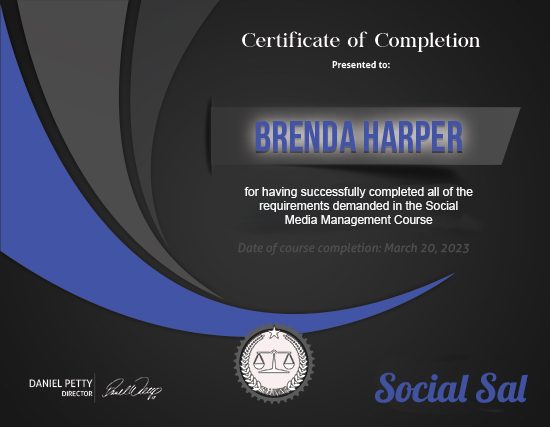
Receive a Certificate of Completion after completing the course